The Power of Forgiveness: Mandela's Lessons for a World Sickened by Vengeance
Forgiveness must move beyond discourse to break cycles of hatred and violence—even within the prison system.
Valdeci Ferreira
Lawyer, Theologian, Director of CIEMA (International Center for Studies on the APAC Method)
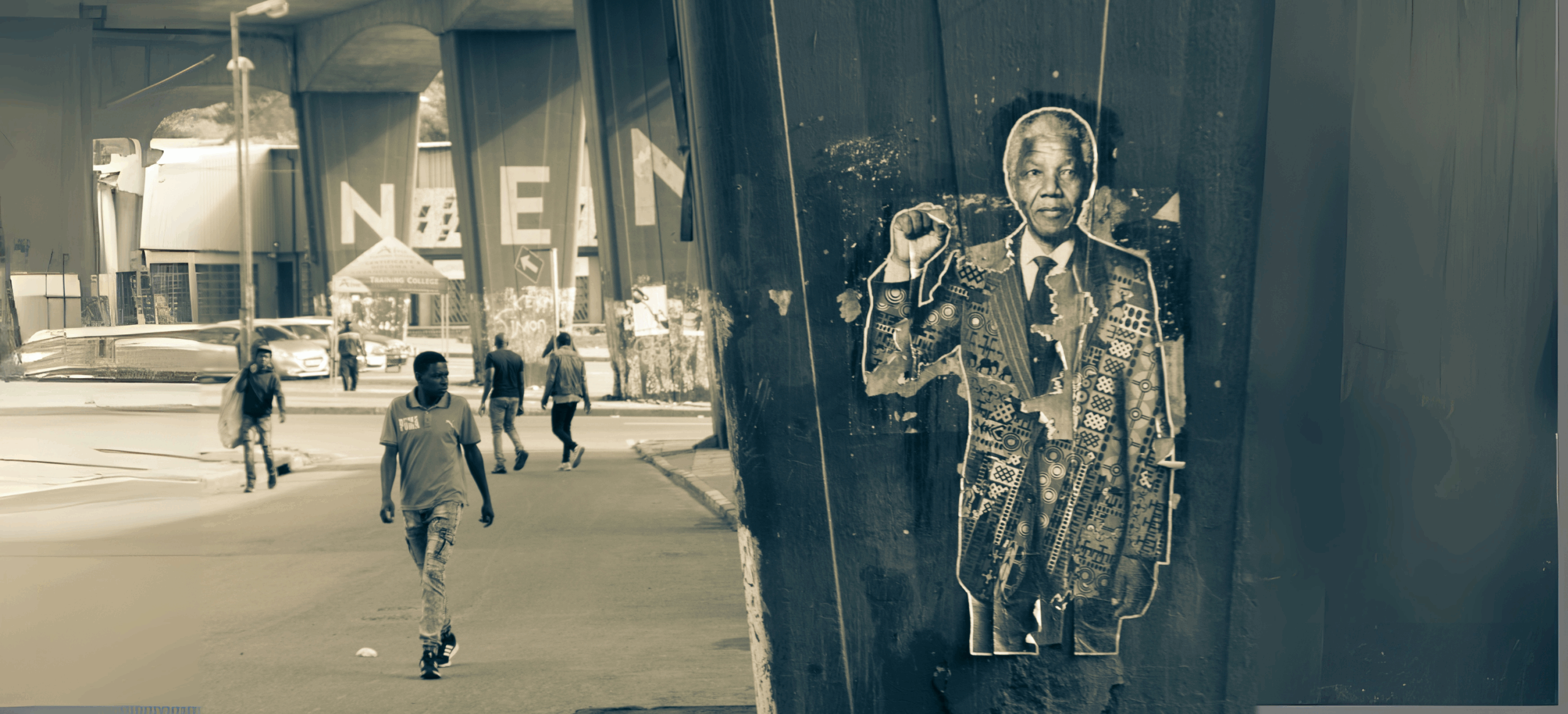
“Forgiveness liberates the soul, it removes fear. That’s why forgiveness is such a powerful weapon,” – Nelson Mandela.
Last month, the world honored the legacy of this African leader. We pay tribute to a man who, having every reason to nurture hatred, chose the hardest path: that of forgiveness.Not a decorative, hollow kind of forgiveness, made for speeches and display, but a lived, embodied forgiveness—one that transformed pain into the seed of reconciliation.
Nearly three decades behind bars: 27 years of silence, forced labor, shattered dreams and an imprisoned body. Yet Mandela did not leave prison thirsting for revenge; he emerged thirsting for the future. He understood that moving forward required leaving behind the bitter weight of retaliation. For him, to forgive was to decide that pain would not have the final word.
Inspired by this example, we invite reflection: What place does forgiveness hold in our lives? Is it merely a beautiful speech for solemn occasions? Can we truly embrace it as a transformative practice? These are the questions that sustain the existence of APAC (Association for the Protection and Assistance of the Convicted). Present in dozens of Brazilian cities, APACs work with an alternative methodology to the conventional prison system. They are spaces where punishment gives way to accountability, and violence is replaced with respect. Above all, they are places that believe in each human being’s capacity to change. There, the imprisoned are confronted with themselves, with justice, with truth—so that they might fully grasp the harm they caused and the importance of making amends to their victims. This is, without a doubt, the only path capable of breaking the cycle of violence and crime.
In APACs, forgiveness is not carved in marble, but in flesh. In each person deprived of liberty who dares to rebuild themselves, in each victim who chooses to live on without bearing the weight of hatred, in each volunteer who reaches out to the fallen. We do not romanticize pain. We do not ignore evil. But we believe that no one is defined by the worst thing they’ve ever done. We believe humanity is greater—and therefore, redeemable. Like Mandela, we learn that to forgive is an act of courage. And that there is no justice without reconciliation. Mandela freed his people by forgiving his oppressors. In APACs, forgiveness has freed men and women from their own inner prisons and, by extension, redeemed families and brought peace to communities trapped in cycles of violence and fear.
May Mandela’s memory inspire us to face forgiveness and to practice tolerance. May forgiveness cease to be a mere feeling or a beautiful word in emotional speeches and become a daily practice—personal, institutional, national.
“As long as we are not capable of forgiving, we will never be truly free.”
— Nelson Mandela